Ensuring Safe Transport for Vet Visits: Safe Pet Transport Tips

Taking our beloved pets to the vet can sometimes feel like a daunting task. The journey itself, though often overlooked, plays a crucial role in keeping our furry friends calm and comfortable. I understand how important it is to create a gentle, reassuring experience for them from the moment we step out the door. With a few thoughtful preparations and a calm approach, we can make vet visits smoother and safer for our pets.
Creating a Calm Environment Before the Trip
Before even stepping into the car, setting the tone at home can make a big difference. I like to start by giving my pet some quiet time in a familiar space. This helps reduce any anxiety that might build up before the journey. Soft petting, gentle words, and a favorite toy nearby can work wonders.
It’s also helpful to keep the environment consistent. For example, if your pet has a special blanket or bed, placing it in their carrier or on the car seat can provide a comforting scent and texture. This small touch reassures them that they are still in a safe place, even when everything else is changing.
If your pet is prone to motion sickness or nervousness, I recommend consulting your vet about natural calming aids or medications. These can be used to ease discomfort and help your pet relax during the ride.
Safe Pet Transport Tips for a Smooth Journey
Transporting pets safely requires a bit of planning and the right equipment. Here are some of my favorite tips to ensure a secure and comfortable trip:
Use a well-ventilated carrier or crate: This keeps your pet contained and safe while allowing fresh air to circulate. Make sure the carrier is large enough for your pet to stand, turn around, and lie down comfortably.
Secure the carrier in the vehicle: Place the carrier on the back seat and use a seatbelt or other restraint to prevent it from sliding or tipping during sudden stops.
Avoid feeding right before travel: To reduce the risk of nausea, try not to feed your pet within a few hours of the trip.
Bring familiar items: A favorite toy, blanket, or even a piece of your clothing can provide comfort.
Keep the car temperature moderate: Avoid extreme heat or cold by adjusting the air conditioning or heating as needed.
Talk softly to your pet: Your calm voice can soothe and reassure them throughout the journey.
When I prepare for a vet visit, I always check that the carrier is clean and free of any sharp edges or loose parts. This attention to detail helps prevent any accidental injuries.
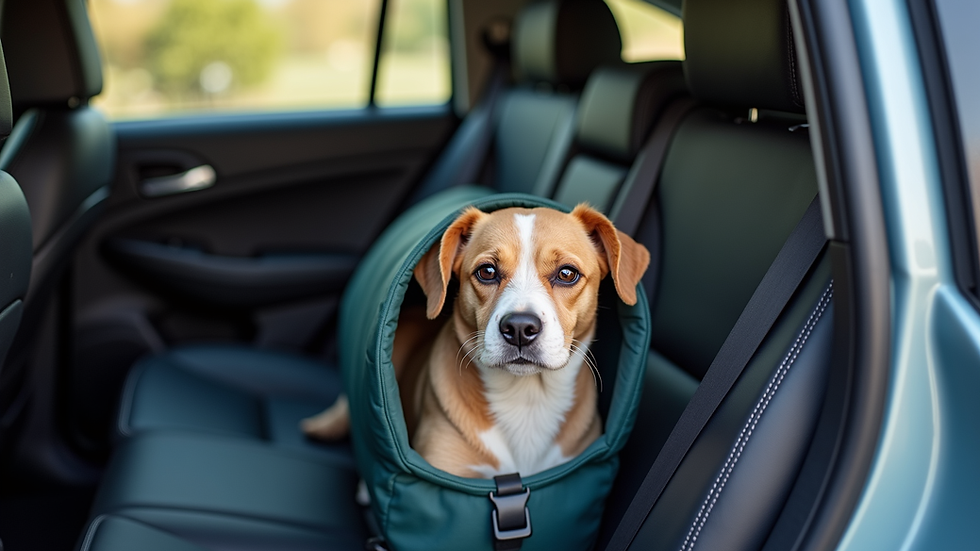
Keeping the carrier secure helps protect your pet during travel.
What is silent pain in dogs?
Sometimes, our pets don’t show obvious signs of discomfort, even when they are hurting. This is what veterinarians call "silent pain." Dogs, in particular, can be very good at hiding pain to avoid appearing vulnerable. As a caring pet parent, it’s important to recognize subtle signs that might indicate your dog is in discomfort.
Some signs of silent pain include:
Changes in behavior, such as increased irritability or withdrawal
Reluctance to move or play
Altered posture or limping
Changes in appetite or sleep patterns
During vet visits, I always mention any small changes I’ve noticed at home. This helps the vet get a full picture and provide the best care. Safe transport to the vet ensures your dog arrives calm and ready for a thorough check-up, which is essential for detecting silent pain early.
Preparing Your Vehicle for Pet Transport
Your vehicle can be a safe haven for your pet if prepared thoughtfully. I like to keep a few essentials handy in the car for every trip:
Non-slip mats: These prevent carriers or pets from sliding around.
Water and a bowl: Especially for longer trips, hydration is key.
Towels or wipes: For quick clean-ups if your pet gets nervous or carsick.
Leash and harness: Always have these ready for safe handling outside the car.
Before starting the trip, I make sure the car is free of any loose objects that could become hazards. I also check that windows are closed or only slightly open to prevent any accidental escapes or injuries.
If your pet enjoys looking out the window, I recommend using a harness attached to a seatbelt or a secured carrier to keep them safe. This way, they can enjoy the view without risk.
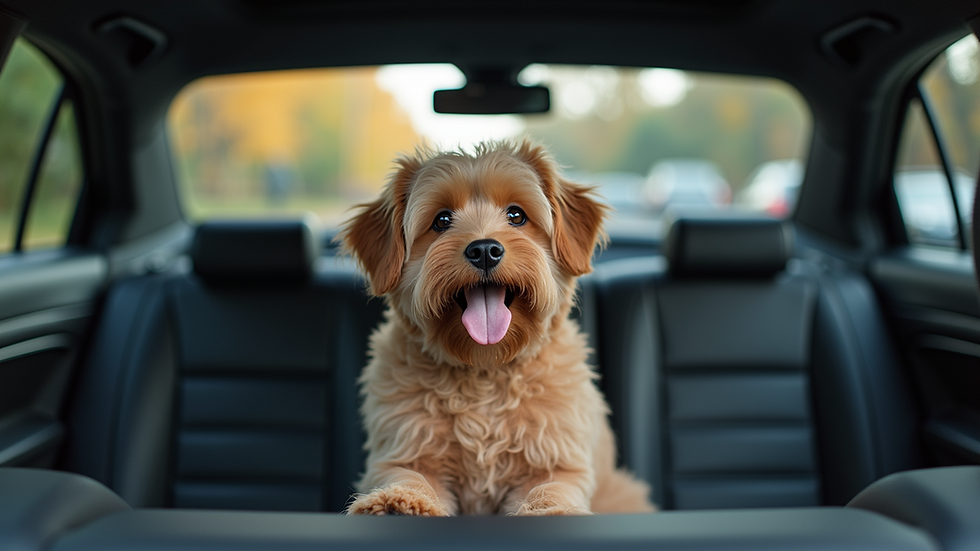
Preparing your vehicle thoughtfully helps create a safe space for your pet.
Making Vet Visits Less Stressful
The journey is just one part of the experience. Once you arrive at the vet, keeping your pet calm is equally important. I find that arriving a few minutes early allows my pet to acclimate to the new environment without rushing.
Here are some gentle ways to ease stress during the visit:
Speak softly and offer treats: Positive reinforcement helps your pet associate the vet with good things.
Bring familiar items: A favorite toy or blanket can provide comfort in the unfamiliar setting.
Stay close and calm: Your presence is a powerful source of reassurance.
Ask the vet about handling techniques: Some vets use gentle touch and slow movements to reduce anxiety.
If your pet is particularly nervous, consider scheduling appointments during quieter times or asking if the vet offers in-home visits. This can be a wonderful alternative that eliminates the stress of travel altogether.
For those who need assistance with vet visit pet transport, professional services can provide safe, comfortable rides tailored to your pet’s needs.
Building Trust Through Gentle Care
Every step of the journey, from home to vet and back, is an opportunity to build trust with your pet. When we approach transport with patience and kindness, we help our pets feel secure and loved.
I encourage you to take your time, observe your pet’s reactions, and adjust your approach as needed. Remember, even small gestures like a soft voice or a gentle touch can make a big difference.
By prioritizing safe and nurturing transport, we not only protect our pets physically but also support their emotional well-being. This care strengthens the bond we share and makes every vet visit a little easier for everyone involved.
I hope these insights and tips help you create calm, safe journeys for your furry companions. With a little preparation and a lot of love, vet visits can become a positive experience that supports your pet’s health and happiness.



Comments